真实摄影旅行行李牌排版海报
真实摄影旅行行李牌排版海报,适合短视频封面、AI生图、AI视频分镜和内容创作参考。模型:ChatGPT。
AI提示词短视频灵感
真实摄影旅行行李牌排版海报,适合短视频封面、AI生图、AI视频分镜和内容创作参考。模型:ChatGPT。
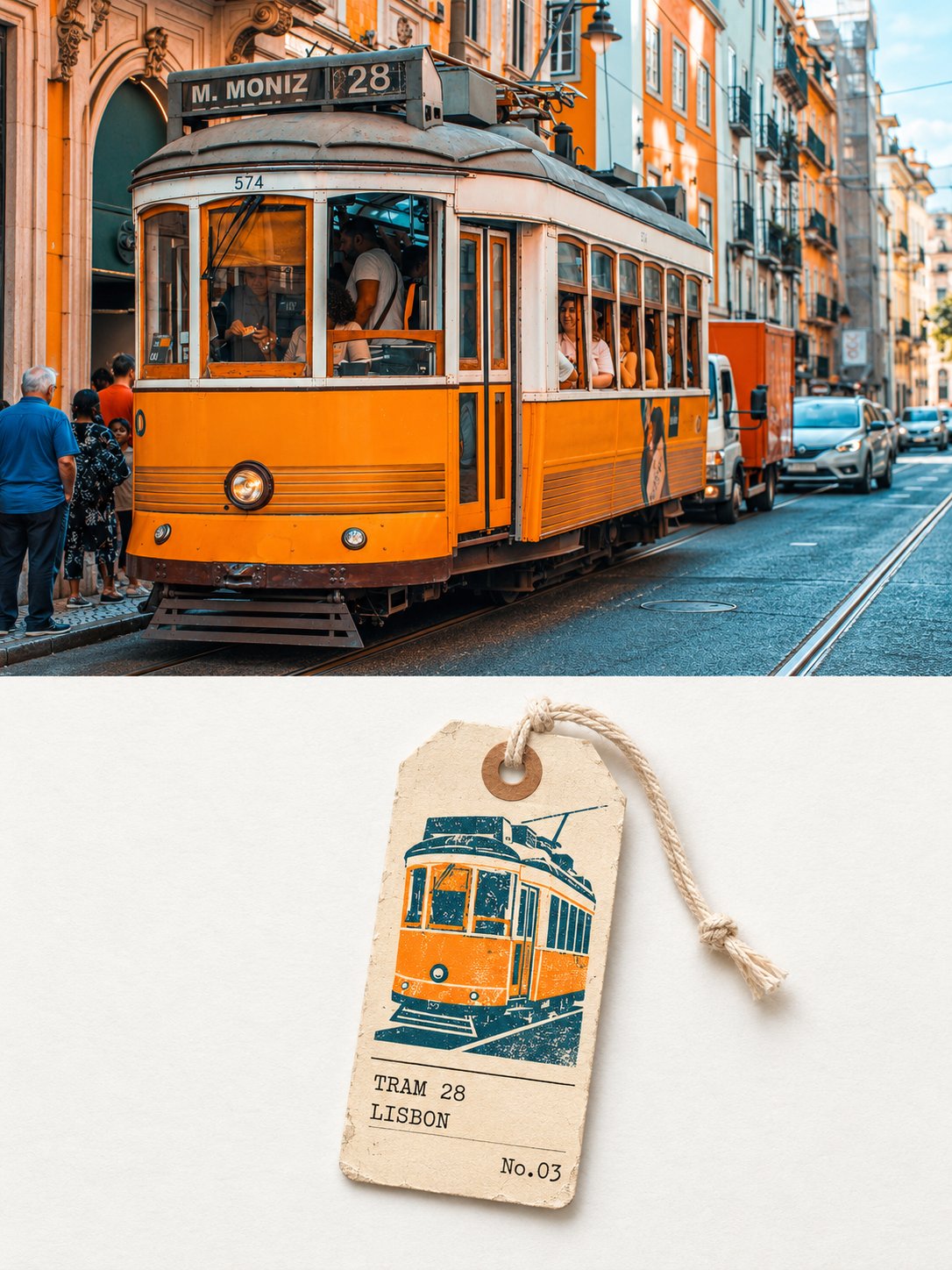
图片来自公开来源,仅作提示词效果参考;正式商用请按来源授权处理。
Please turn each photo I upload into an independent high-end design poster, no multi-photo stitching, each photo output separately. The overall composition uses a 3:4 vertical layout, with the upper and lower regions strictly 1:1 in height, each occupying 50% of the frame. The upper part preserves the original photo, maintaining the subject's identity, structure, posture, real texture, natural light and shadow, and the original color atmosphere, with only slight high-end color grading to give it the texture of an art magazine, independent publication, or exhibition image. To adapt to the aspect ratio, the environmental background can be naturally extended, but the subject must not be stretched, distorted, or changed. The upper part contains only the uploaded photo itself, following the original framing, without adding any text, borders, or graphics. The lower part extracts the most recognizable subject, silhouette, posture, and narrative relationship from the photo, reconstructing them as a travel luggage tag: a paper luggage tag with a cotton rope, placed vertically on a very light paper surface. Do not copy the photo; only retain the front silhouette and the most recognizable color block relationships of the subject, summarizing them into a small, highly recognizable partial graphic using flat color blocks and a few lines. No text, numbers, labels, or logos should appear in the graphic; any text from the photo should be omitted. The composition follows 'one small luggage tag, a large area of white space': the luggage tag occupies about three-fifths of the height and one-fifth of the width of the lower part, slightly tilted and leaning to one side; the top of the tag has two corners cut off, a reinforced circular ring at the punching hole, and a knotted cotton rope threaded through, with the rope falling naturally. The upper part of the tag surface is the small graphic, the lower part is a neatly arranged information area, separated by a thin line in the middle. The color scheme extracts three colors from the photo above: the three most eye-catching colors in the subject or scene, purified into bright spot color inks. The tag surface is a very light off-white cardstock color, bright and clean, not yellowish or grayish. The background paper is extremely light, with a brightness significantly higher than the luggage tag. The material is cardboard and printing: the edges of the tag are slightly worn and cornered, the reinforced ring of the punching hole has a bit of indentation, the printed color blocks have slight overprint misalignment and grain, and the rope has a real cotton thread texture. Wear and misalignment only exist on the edges of the tag and inside the graphics; the layout of the information area remains neat. Text appears only on the tag surface as follows: the first line of the information area (name of the subject, all caps English, no more than ten letters), the second line (name of the city or location where the photo was taken, all caps English; if unrecognizable, write the scene category of the subject), and the last line right-aligned (number in the form of 'No.03'). The font is a small typewriter font, arranged along a unified left margin and baseline, with a small font size and clear hierarchy. Other than this, no text, letters, numbers, or logos appear in the frame. The overall presentation is a visual relationship of real photography × travel luggage tag × field records, bright, clean, restrained, and with a sense of collectability. Avoid gray and dirty distressed effects, full-page textures, realistic illustrations, complex decorations, multiple luggage tags, commercial advertising copy, and template feels.